
Finally, It's Happened
All the most important news, recent releases, and opinions about the watch industry.

Finally.
After more than a couple of years of thinking about it, I’ve started The Inside Angle podcast. Obviously, the world doesn’t need any more podcasts, but from a personal perspective (and anyone who knows me can attest to this), I love a good chat, especially about watches and well-made things, and as a result, I’m very happy to have published the first episode.
Essentially, I’ll be chatting with watch collectors, watchmakers, designers, and just about anyone I think is interesting and is willing to sit down with me. The first episode is a conversation with Michael Woods, an Australian watchmaker who worked as the head of the Rolex Australia Service Centre for more than a decade, who offers his thoughts on the state of the industry, the elements that make a great watch (and movement), and why everyone should buy what they love (not what’s hyped).

I’d love it if you gave it a listen, hit subscribe, and shared any thoughts you had on what worked and what didn’t. I’m obviously not a seasoned veteran in front of the mic, so it’s only going to get better from here, and any feedback is much appreciated.
Find it in the links above and below.
In The News
Why Craft Will Always Be Valuable
A couple of weeks ago, I was reading this article on Hodinkee about a paintbrush. An unusual topic for a watch magazine, but it wasn’t just any paintbrush - it was an enamel paintbrush.
The author was musing on the remarkable talent and effort that’s required to create the spectacular casebacks of the Jaeger-LeCoultre Reverso Tribute Enamel Hidden Treasures collection and what it means for an industry obsessed with progress measured in technical terms.
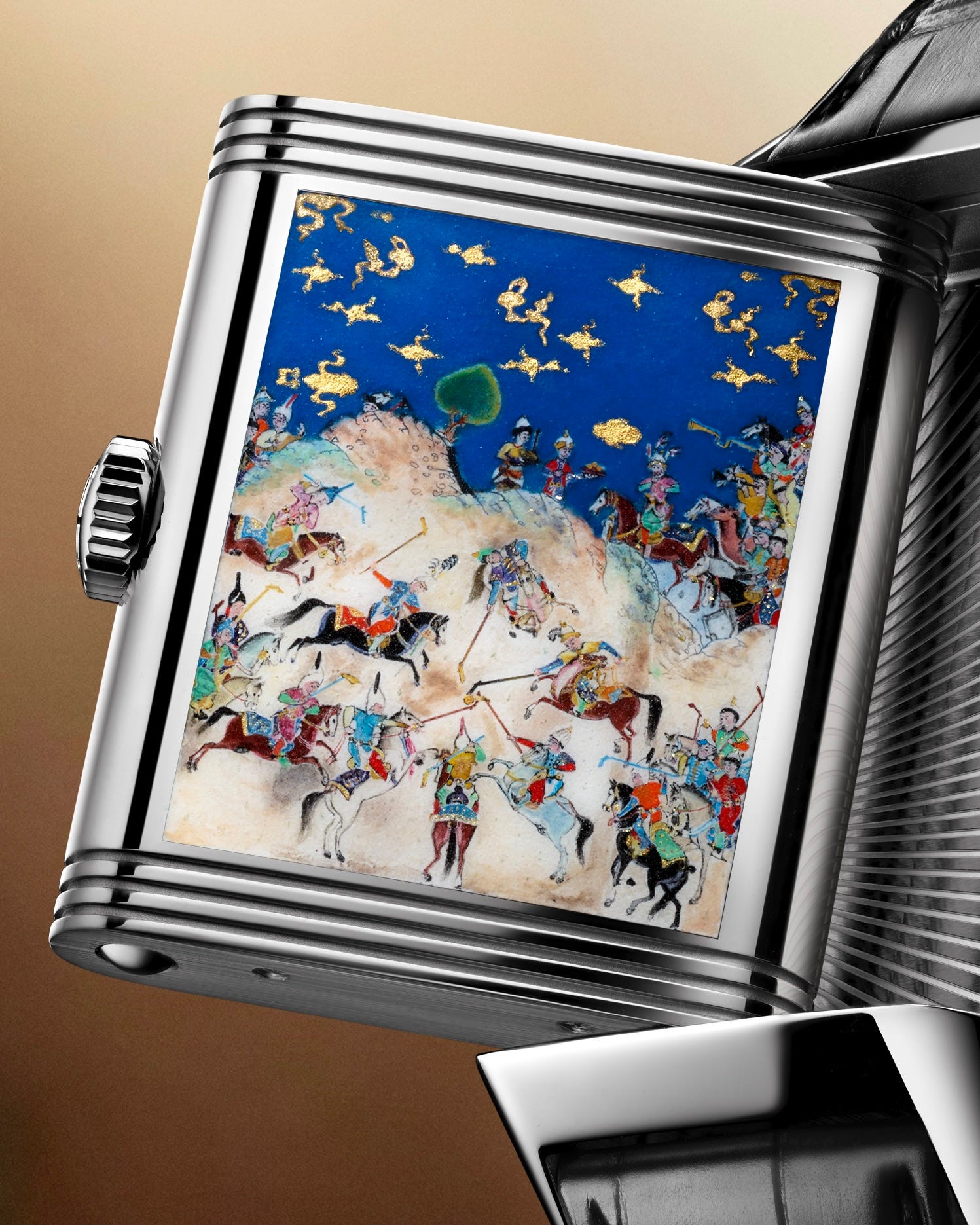
This obsession makes sense. Watchmaking is extraordinarily technical in its nature and from the perspective of a watchmaker, more complication often makes for a better watch.
But especially for a mechanical art form that’s as anachronistic as they come, I don’t think that’s necessarily always the case. Beauty always has to have its place.
Take, for example, Richard Mille’s recently released RM 41-01 Tourbillon soccer timer. It’s powered by an unimaginably complex movement that comprises 650 components, features a timer for the two 45-minute halves of a soccer game (plus overtime), a tourbillon, and a mechanical score counter. Cased in lightweight TPT, it arrives with a price tag of about $2.75 million.
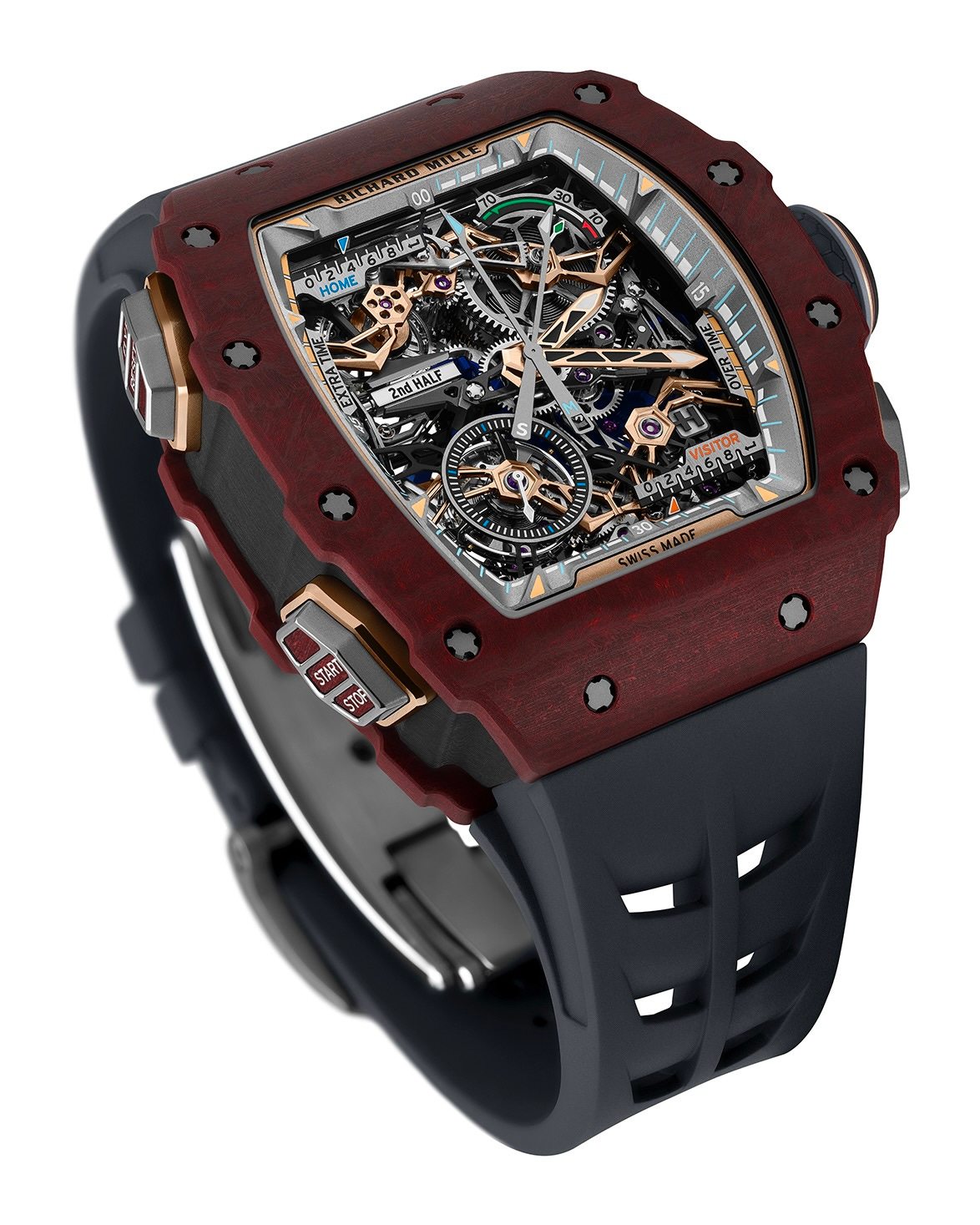
Is it an impressive technical feat? Obviously, it is. Will anyone actually use it to time a game of soccer? Probably not, and the reason for this isn’t that it doesn’t work or that the billionaire owners of soccer teams won’t want to buy it. It’s because there are electronic systems that do it better, displaying the ticking seconds on basketball court-sized scoreboards, and if you’re watching a game from a plush corporate box, the last thing you want to be thinking about is pressing a pusher on your watch.
I’ve always thought there was something slightly oxymoronic about progress at the absolute apex of watchmaking, where each year success seems to be measured by tourbillons with another axis of rotation, more functions crammed into an already oversized gold case, and in some cases, complications that border on novelty like roulette wheels or slot machines.
Additionally, almost all technological improvements are eventually commoditised. We’ve got “affordably priced” perpetual calendars, chiming watches, and even tourbillons, and the only thing left to do is the next complicated thing that probably no one asked for.
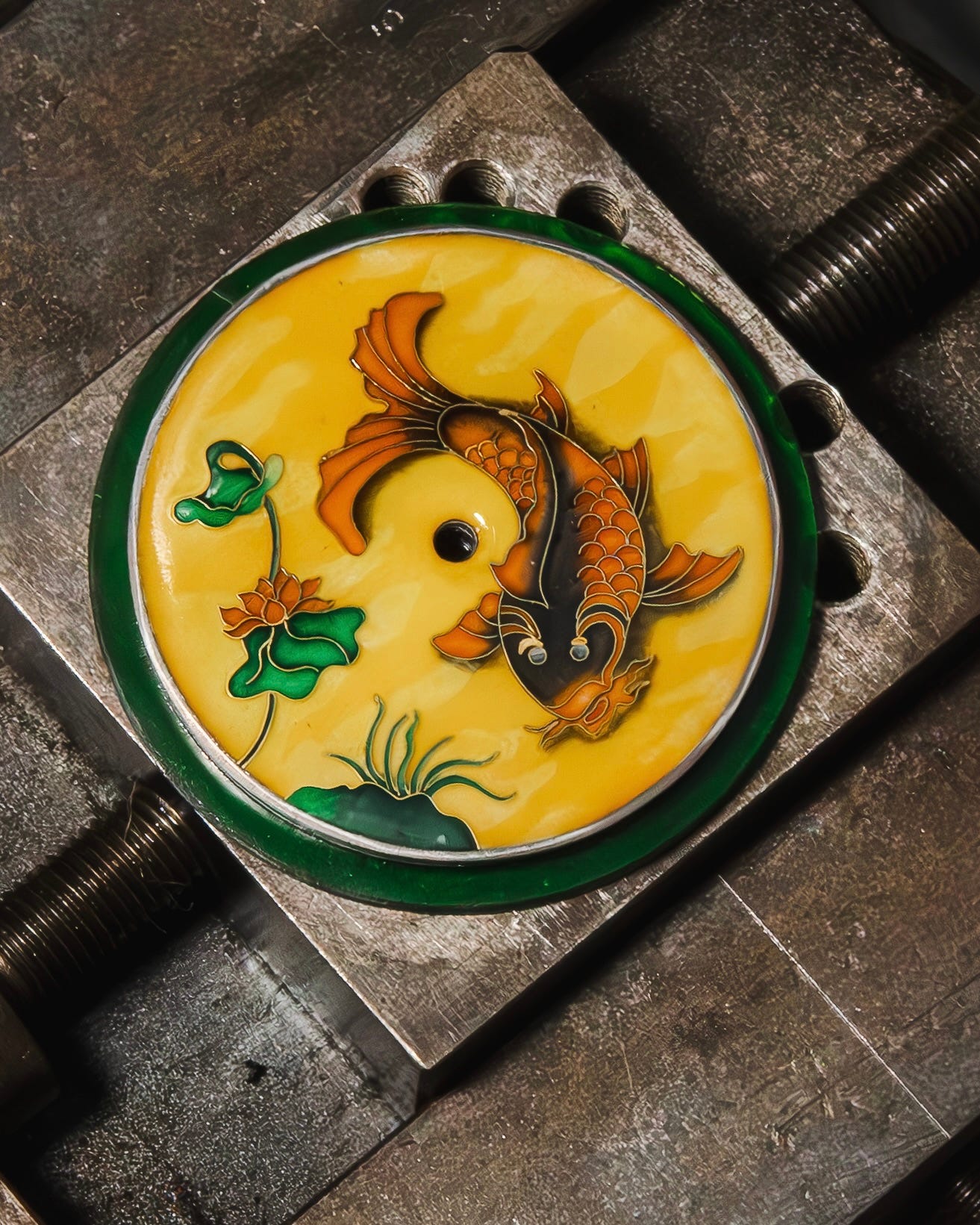
What can’t be commoditised is craft and the labour that goes into making a world-class work of enamel, engraving, or anything else that’s best left to human hands.
I was thinking about this last year when I was talking to a friend. We were discussing the practice of removing dials from vintage watches and replacing them with slices of the currently popular hardstones like malachite, lapis lazuli, and tiger’s eye. I’d always loved stone dial watches, but thanks to their spike in popularity, I realised there wasn’t much special about them at all. If you had about $300 and a watch that you wanted to “upgrade”, you could put a stone dial in basically anything.
“You can’t do that with enamel,” he told me. “The only way to make a good enamel dial is to make a good enamel dial.”
It was a comment that stuck with me so strongly that I ended up buying a watch with a cloisonné enamel dial, and to bring it back to the Hodinkee article, that was the point the author was making:
“Hand-enamelling isn’t quantitative. It’s not scalable. It’s inefficient in the most literal sense. Fewer and fewer people are entering the profession. It can’t be automated. Rather, it depends on the steadiness of the hand working in lockstep with the eye, guided by the accumulated knowledge of someone who has spent years mastering the craft. The entire process depends on transmission—knowledge passed from one generation to the next.”
Before continuing:
“Innovation doesn’t have to be the enemy of craft. The two can—and often do—coexist beautifully in watchmaking. The best modern movements are feats of engineering, and the best finishing remains deeply human.”
“But balance isn’t automatic. It requires brands to invest in skills that don’t always maximise margins. It requires consumers to value more than specs. It requires all of us to resist, occasionally, the gravitational pull of “more”.”
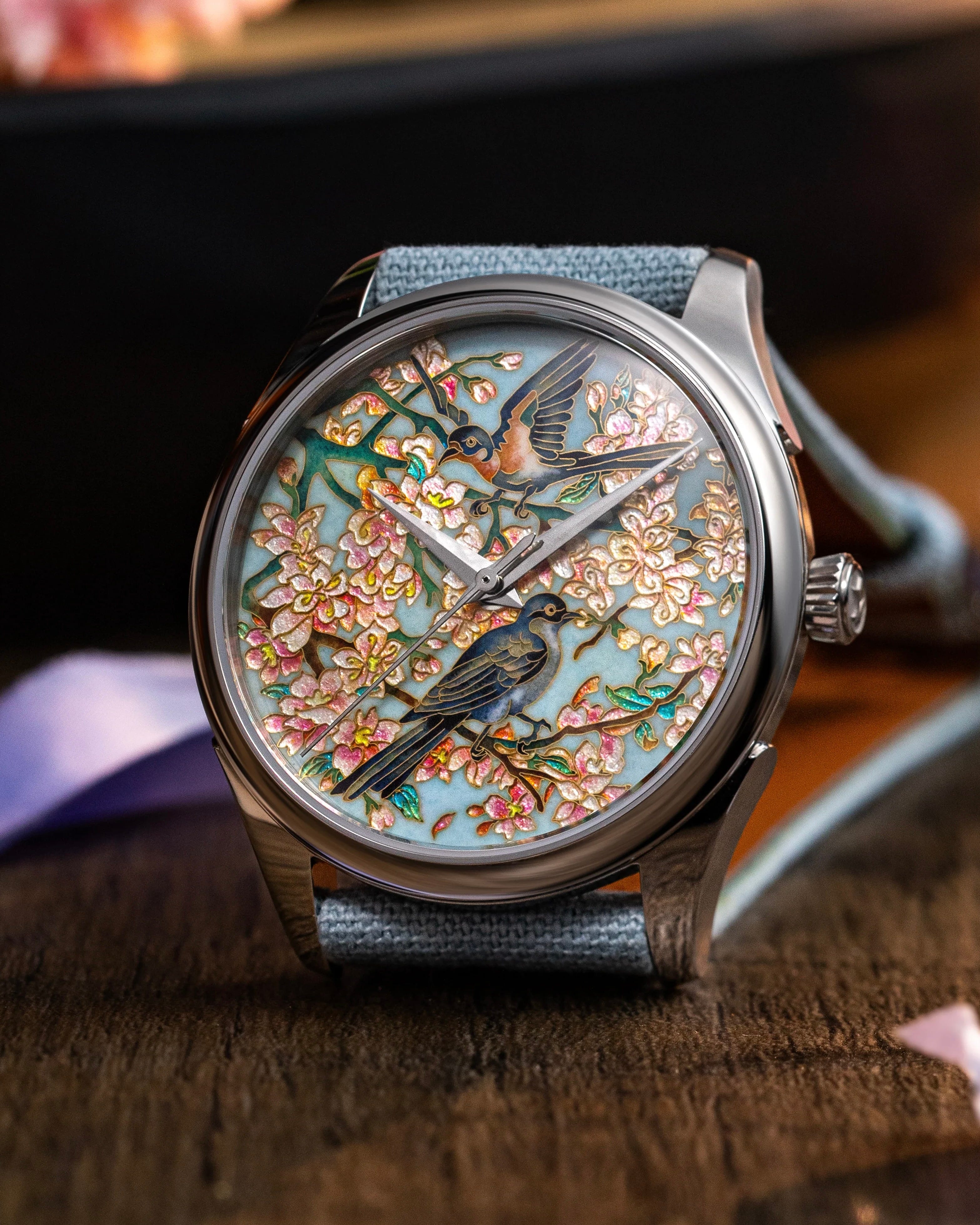
So the next time you buy a watch, I want you to think about human craftsmanship a little bit.
When it comes to true rarity (that isn’t manufactured) and the passion that’s kept us all interested in watches (during an age where we’re all walking around with computers in our pockets), craftsmanship remains the most important thing there is.
Is Longines Going To Win In 2026?
From what I’ve seen so far, the answer is yes.
This week, I spent a couple of days in Byron Bay for the newest Longines HydroConquest collection, and it was a genuine breath of fresh air.
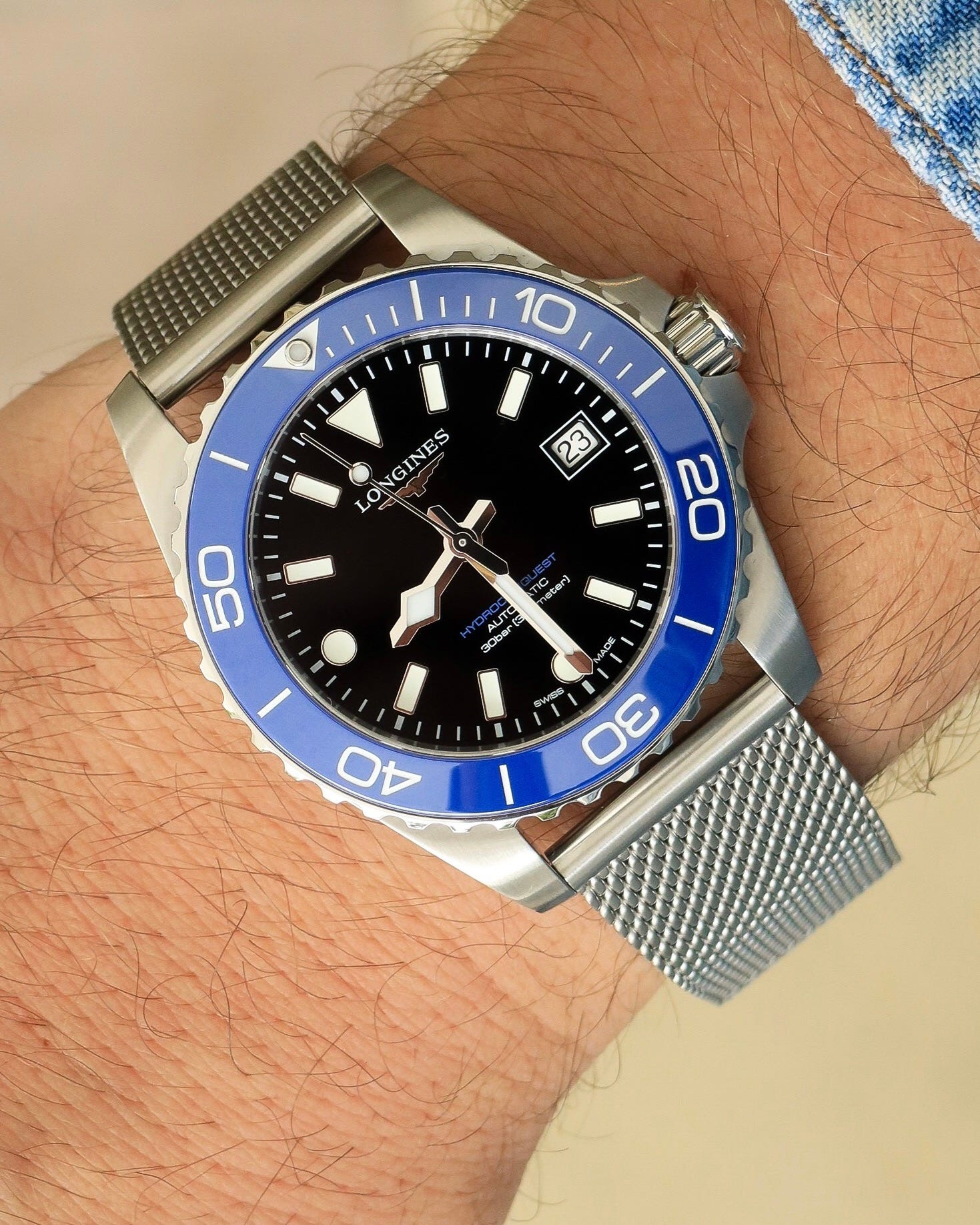
Not only is it the best HydroConquest we’ve ever seen from a design perspective, but it’s also one of only a handful of sensibly priced watches I’ve seen in years. You’re getting a pared-back dial design, a great range of ceramic bezel colour options, a solid movement with 80 hours of power reserve, and an all-new bracelet with a micro-adjust mechanism, all for $3,550.
At a time when prices have only gone one way for years – both with good justifications (inflation) and bad (gold prices) – it’s a joy to see Longines zig when everyone else zags.
Plus, after seeing what Longines has in store for the rest of the year, I can promise it’ll be a very good 2026 for the Saint Imier-based watchmaker.
Read all about the new collection below:
Factory Fresh

If Gerald Charles isn’t on your radar, it should be. Founded by Gerald Genta (yes, that one), it’s turned up the heat in the last year or so, signing Aussie tennis star Alex de Minaur and now, debuting it’s most complicated watch to date: the Gerald Charles Masterlink Perpetual Calendar.
Weighing in at just 97g thanks to its integrated Grade 5 titanium case and bracelet, it measures 40mm across and 10mm in thickness, which is bang on for most of us. What I love most about it is the visible movement, which via the sapphire dial version, offers a view of bridges that are shaped to resemble to geography of Geneva. It’s currently available priced at US$78,800 for the anthracite grey dial, and US$87,500 for the sapphire dial.
Affordable Excellence


Baltic has been making affordable bangers for years now, but the Heures du Monde is a first for the brand, debuting a worldtimer with a stone dial. All references are cased in stainless steel, measure 37mm in diameter and 11.3mm in thickness (9.3mm without crystal), and are powered by a Soprod C125 GMT movement, but where the variation arrives is the dials, with your pick of labradorite, tiger eye, or sodalite on the menu.
Perhaps the only downside is the fact that each example will be limited to just 200 examples, with prices ranging from €1,300 on a leather strap to €1,360 on a metal bracelet.
Thanks for reading this edition of The Inside Angle, and I’ll see you here next time.
Good Stuff